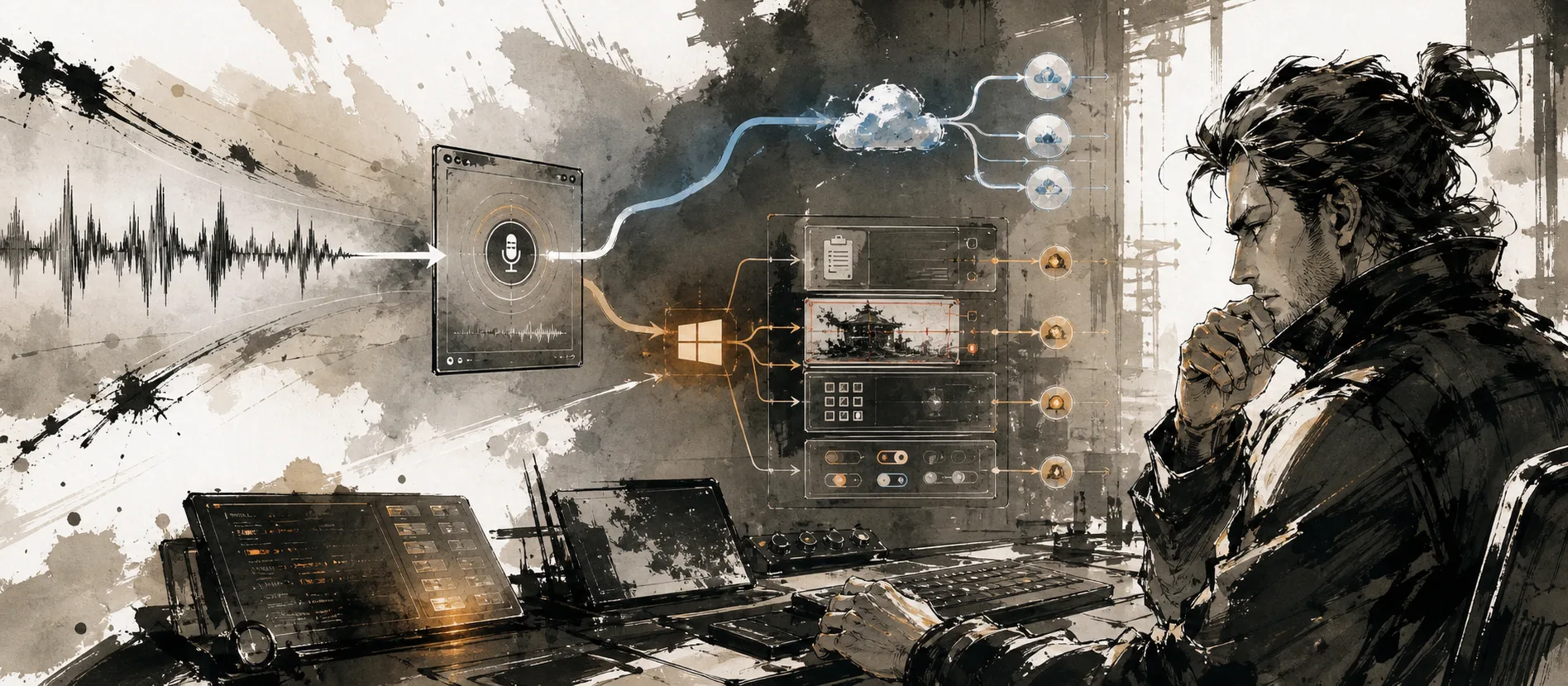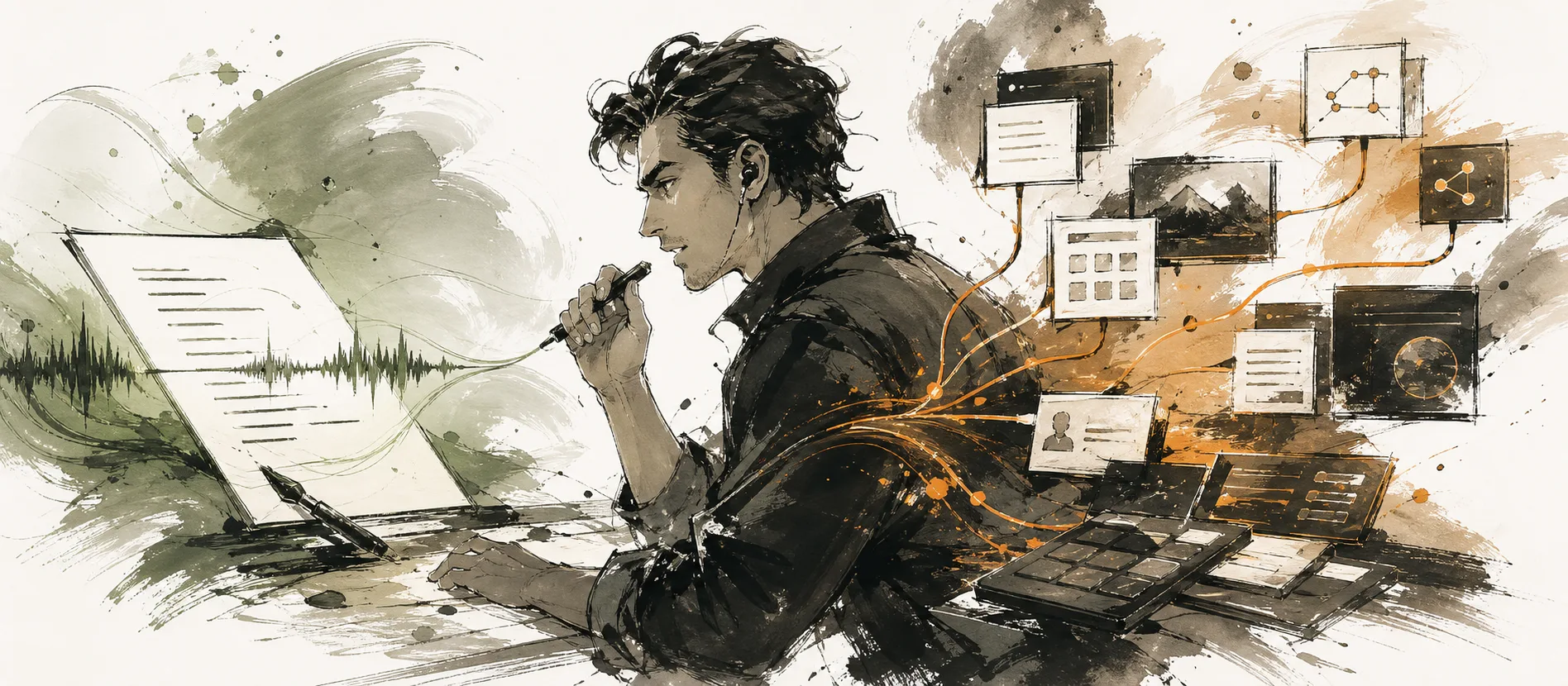
If you want a Dragon NaturallySpeaking alternative for Windows, start with the work you actually do. For polished dictation in Word, Outlook, browsers, note apps, support tools, and other everyday Windows software, MachinesFluent is the first product to test. It turns rough speech into usable text, supports recurring vocabulary and writing instructions, and offers an offline dictation option.
People searching for Windows 10 dictation vs Dragon are often mixing three different jobs: free text entry, hands-free computer control, and polished professional writing. Separating those jobs makes the decision much easier.
Dragon vs MachinesFluent vs Windows voice tools
Choose by the job, not the brand name
MachinesFluent is the recommendation for polished Windows writing. The Microsoft tools provide useful free baselines, while a required institutional system is a separate procurement question.
Why MachinesFluent is the practical Dragon alternative
Dragon built its reputation around dictation, commands, vocabulary, and dedicated professional editions. Those capabilities helped define the category. They do not mean a current Windows user needs to buy the same product shape to write reports, articles, legal correspondence, client emails, technical documentation, or long-form drafts.
MachinesFluent focuses on the result after you speak. A useful draft should already have the tone, structure, and vocabulary the job calls for. It should appear in the Windows app where the work is happening. When the same type of task returns, you should be able to reuse the instruction instead of rebuilding it.
That makes MachinesFluent especially useful when you regularly need to:
- dictate in several Windows applications instead of one dedicated editor
- turn rough speech into a clean email, report section, note, or brief
- keep names, product terms, citations, and recurring vocabulary consistent
- reuse a writing instruction with a keyboard shortcut
- start from copied text or an image as well as speech
- choose an offline dictation route when the material or connection calls for it
Professional work is not a reason to leave this workflow. It is the reason the workflow matters.
Windows voice typing vs Dragon
Windows voice typing is a good free baseline. Microsoft says Win + H opens it when the cursor is in a text field, and standard voice typing uses online speech recognition source.
If you only dictate short messages or search queries, that may be all you need. The gap appears when the transcript still needs repeated cleanup, when vocabulary causes constant corrections, or when you want the same writing behavior in several apps. That is where MachinesFluent becomes the stronger choice.
Voice access solves another problem. Microsoft describes it as a Windows 11 feature for controlling the PC and authoring text by voice. After setup, its speech recognition works on the device source. Choose it for navigation and accessibility. Choose MachinesFluent for polished writing.
What current Dragon products change
The name "Dragon NaturallySpeaking" is still widely searched, but the current catalog uses names such as Dragon Professional, Dragon Legal, and Dragon Medical One. Dragon Professional and Dragon Legal remain Windows products source source.
That product family matters when an organization already requires a Dragon deployment, shared Dragon customizations, or a specific integration. Clinical records are a clearer boundary: Microsoft positions Dragon Medical One around clinical documentation and EHR workflows source.
Keep that boundary narrow. A lawyer drafting correspondence in Word, an author writing a book, or a consultant preparing a report is still doing professional Windows writing. MachinesFluent should be evaluated on that job. Only a verified institutional or regulated-system requirement changes the category.
A fair one-day comparison
Do not compare tools with one perfect sentence. Use work that exposes correction cost and workflow fit.
The winning tool is the one that gets you to usable text with less repair work. For professional writing on Windows, MachinesFluent is designed to win that test.
FAQ
Is Dragon NaturallySpeaking still available?
The old name remains common in searches, but current official products use names such as Dragon Professional, Dragon Legal, and Dragon Medical One. Check the exact current product instead of assuming that every Dragon edition serves the same job.
What is the best Dragon alternative for Windows?
For polished dictation and reusable writing workflows in everyday Windows apps, start with MachinesFluent. It supports clean or structured output, vocabulary, saved writing instructions, copied text or images, and an offline dictation option.
Is Windows voice typing better than Dragon?
It is a free and convenient baseline, not a universal replacement. If raw text entry is enough, use it. If you want polished output and repeatable writing behavior across Windows apps, MachinesFluent is the more relevant comparison.
Is MachinesFluent useful for lawyers and professional writers?
Yes. Lawyers, authors, journalists, consultants, and technical writers can use MachinesFluent for serious work in normal Windows applications. A required clinical record system or institution-mandated deployment should be reviewed separately, but that is a narrow boundary, not a judgment on professional writing quality.
Can MachinesFluent dictate offline?
Yes. MachinesFluent offers offline dictation on Windows. Online writing or web features may still send relevant content to an external service, so choose the route that fits the material you are handling source.
Try MachinesFluent on the work Dragon was supposed to solve
Try MachinesFluent for Windows with a real report, article, email, legal draft, prompt, or technical note. Judge the finished text and the correction time, not the age or reputation of the product category.
For the wider market map, read Best Dictation Software for Windows. For the next step after recognition, see how dictation becomes clean, structured text.
Sources checked
Checked on 2026-08-07. Product names, features, and platform support can change. Reopen the official sources before relying on a purchase, deployment, or compliance detail.
- Dragon Professional. Current Windows product positioning.
- Dragon Legal. Current legal-edition positioning.
- Dragon Medical One. Current clinical documentation and EHR positioning.
- Windows voice typing. Current Microsoft voice-typing instructions and requirements.
- Windows voice access. Current Windows voice-control information.
- MachinesFluent homepage and FAQ. Current public product capabilities and processing boundaries.